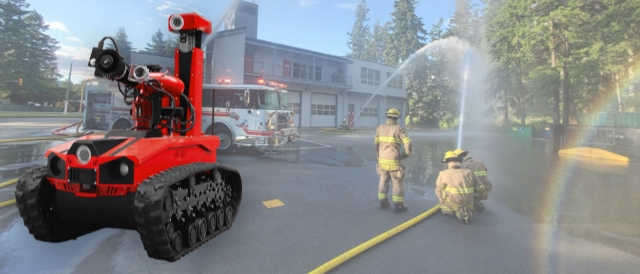
Sensors
Explore Sensors with a neutral, fact-based summary of technology, applications, benefits and selection criteria for modern robot solutions in Africa.
Introduction and overview
Short overview: Explore Sensors with a neutral, fact-based summary of technology, applications, benefits and selection criteria for modern robot solutions in Africa.
Sensors can support organizations that need practical automation, safer operations, reliable field performance and scalable deployment across African markets. Buyers often compare robot design, payload, mobility, sensors, autonomy, software, maintenance needs and total cost of ownership before choosing a platform.
Design and features
Robots in this category may include rugged mechanical systems, electric drives, perception sensors, navigation software, remote control options, mapping tools, payload interfaces and safety functions. The right specification depends on the site, duty cycle, operating environment, connectivity and staff training plan.
Important evaluation points include battery life, charging workflow, weather resistance, terrain capability, payload capacity, integration options, spare parts availability and local service planning. For enterprise deployments, documentation, warranty terms and operator training can be just as important as headline performance.
Applications and use cases
Sensors is relevant for inspection, security, logistics, education, research, emergency response, facilities management, cleaning, construction, industrial automation and specialist field work. African customers may need solutions that perform in warehouses, campuses, mines, farms, ports, airports, public venues and remote infrastructure sites.
Use cases should be matched to measurable outcomes: reducing manual risk, collecting better data, improving response time, extending operating hours, standardizing repetitive tasks or supporting teams in hazardous areas. A pilot project is often the best way to validate performance before a larger purchase.
Advantages and buying considerations
The main advantages of Sensors are consistency, repeatability, data capture, remote operation and the ability to perform tasks that are tiring, dangerous or difficult for people. Buyers should compare price, cost, availability, support, accessories, software subscriptions and expected maintenance before deciding where to buy.
Procurement teams should also consider import requirements, delivery timelines, training, spare batteries, chargers, payloads, protective cases, service response and future expansion. A well-planned robot purchase usually includes both the platform and the operational process around it.
Implementation planning
Successful robotics projects usually begin with a clear workflow review. Teams should document the current process, identify bottlenecks, define safety constraints, list expected outputs and decide how robot performance will be measured. For African deployments, planning may also include site access, operator language needs, mobile connectivity, electrical standards, storage conditions and practical maintenance routines.
Accessories can change the usefulness of Sensors. Consider spare batteries, chargers, docking stations, payload mounts, sensors, cameras, protective covers, transport cases, software licences and integration services. These items can affect the real budget as much as the robot itself, so they should be included in any price or cost comparison.
Support, training and lifecycle
Training helps operators use robot systems safely and consistently. A deployment plan should explain who will operate the robot, who will maintain it, how incidents will be reported and how software updates will be managed. Buyers should also confirm documentation, warranty terms, spare-part availability and escalation paths before purchase.
Lifecycle planning is important because robots are long-term assets. Cleaning, inspection, firmware updates, battery replacement, calibration and periodic testing can preserve performance. When Sensors is selected carefully and supported properly, it can become a reliable part of daily operations rather than a one-time technology experiment.
FAQ
How do I choose Sensors?
Start with the job to be done, the environment, required runtime, safety requirements, payload needs and support expectations. Then compare robot models against those practical requirements instead of relying only on specifications.
What affects Sensors price?
Price is influenced by robot size, sensors, autonomy level, payloads, software, accessories, warranty, shipping and support. Exact cost depends on configuration and project requirements.
Can Sensors be deployed across Africa?
Many robot systems can be deployed across African markets when power, connectivity, training, maintenance and logistics are planned correctly. Site conditions should always be reviewed before purchase.
Summary
Sensors can help businesses, institutions and public-sector teams modernize operations with robotics and automation. Compare features, support, total cost and deployment conditions carefully to select the most suitable robot solution.